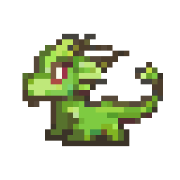
PixelLab is an AI tool for pixel art game assets, covering animated characters, 4 and 8 directional sprites, tilesets and UI elements.
PixelLab is an AI tool that generates pixel art for games. It runs in the browser and as an Aseprite plugin, and it covers sprites, environments, tilesets and interface pieces, with the aim of speeding up asset production for indie developers. Character work covers animation and rotation. Animations can be created from text prompts, from skeleton-based controls or from an automatic character creator, covering walking, running, attacking and custom motions. Rotations produce 4 or 8 directional views, which suit isometric and top-down games, and a concept image with an optional reference sprite can guide the result. Consistency is central to the tool. Generation adapts to reference images so that new sprites match an existing style. The editing tools use inpainting that reads the original image, so changes such as new clothing or accessories keep the same look as the rest of the sprite. For worlds, PixelLab generates scenes and environments from written descriptions, along with maps, tilesets and textures for top-down and side-scrolling games. Interface elements such as buttons, health bars and menu items can also be generated in a consistent style across a game. The tool suits indie game developers who need many consistent assets quickly. Models run on cloud GPUs, so a powerful graphics card is not required. Generated images and inputs are not stored unless a tool or its documentation clearly says otherwise.
Creates walking, running, attacking and custom animations from text, skeleton controls or an automatic character creator.
Generates 4 or 8 directional views of characters and objects, including isometric setups.
Adapts to reference images so new sprites match the style of an existing set.
Edits existing images while reading the original, keeping the style of changed areas.
Generates pixel art scenes and backgrounds from text descriptions.
Creates maps, tilesets and textures for top-down and side-scrolling games.
Generates buttons, health bars and menu items that share one visual style.

Google Playground is an experimental Google platform for creating, playing and sharing browser games from text prompts, with no coding.

EvonX is an AI game maker that turns a one-sentence idea into a playable mobile-style game you can refine in chat and share by link.

Phaser is an open source HTML5 game framework for building 2D browser games, maintained by Phaser Studio with a companion visual editor.

Defold is a free, cross-platform game engine for 2D and 3D games, with Lua scripting, a built-in editor and publishing to desktop, mobile, web and consoles.

Unreal Engine is a real-time 3D engine from Epic Games for building games, film visuals, architectural previews, and interactive experiences.

Godot Engine is a free, open-source 2D and 3D game engine with a scene-based editor, several scripting languages and export to desktop, mobile and the web.
Yes. It works on all three operating systems.
No. The models run on cloud GPUs, so a strong graphics card is not needed locally.
No. Generated images and inputs are not stored unless a tool or its documentation clearly says otherwise.
Yes. A free trial is offered and no credit card is required to start.
The top-ranked alternatives to PixelLab are Google Playground, EvonX and Phaser. There are 20 alternatives in total, ranked by community votes, shared features and platform fit.
PixelLab is listed under Gaming. PixelLab is an AI tool for pixel art game assets, covering animated characters, 4 and 8 directional sprites, tilesets and UI elements.
No reviews yet.